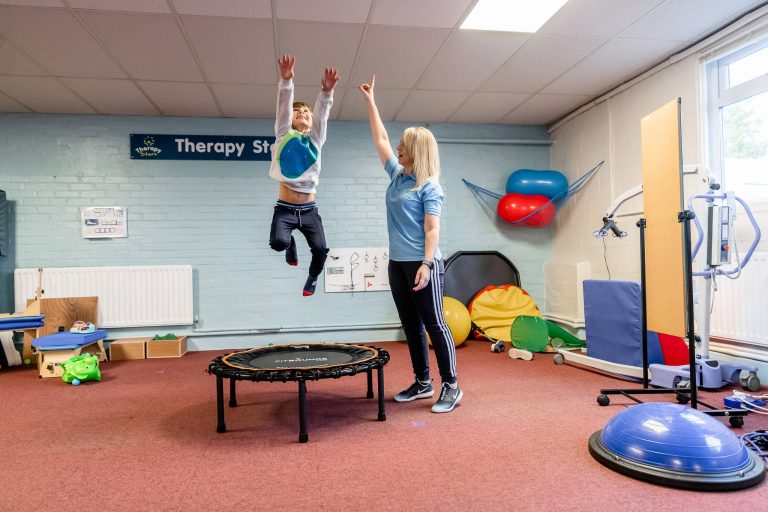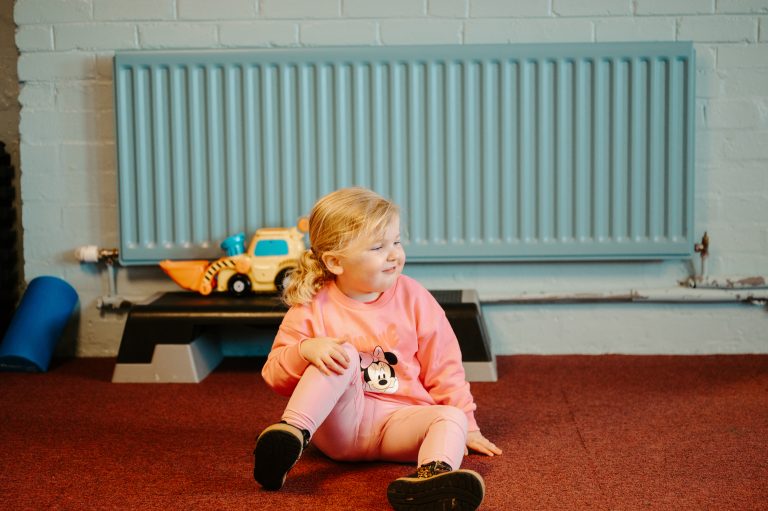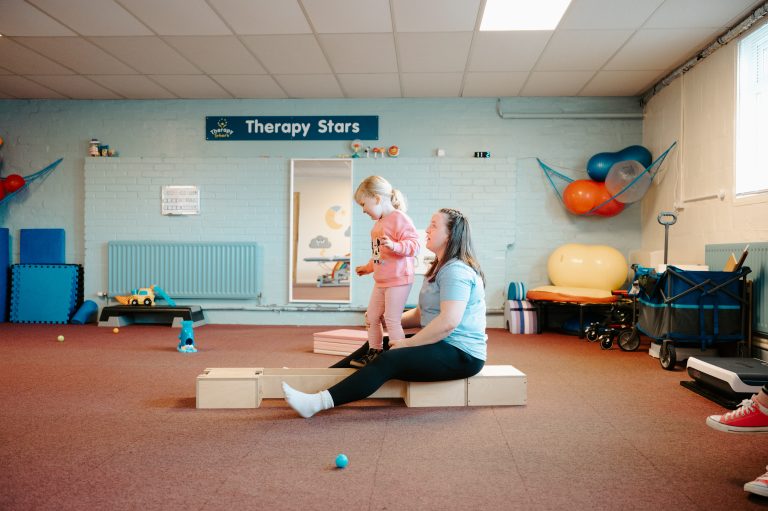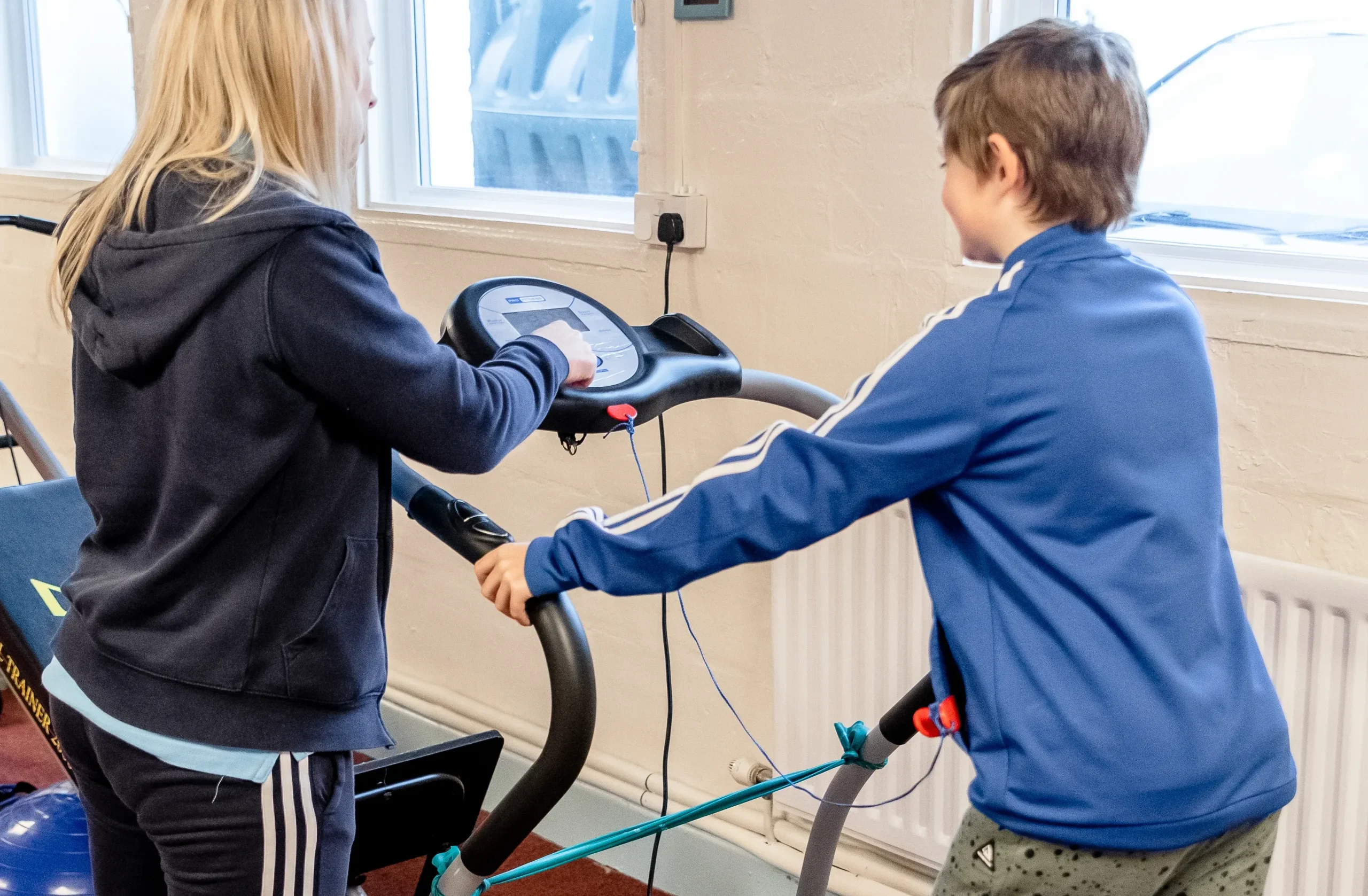
Children’s physical development continues to change throughout childhood.
For children with neurological or genetic conditions, physiotherapy programmes often adapt over time to reflect new challenges and opportunities.
What supports development at age two may look different to what is helpful at age five or beyond.
Changing goals over time
Therapy goals often evolve as children grow.
Early goals may include:
- head control
- rolling
- sitting balance
Later goals may include:
- standing tolerance
- walking skills
- posture for learning activities
- participation in play
Goals are guided by what is meaningful for the child and family.
Supporting transitions
As children grow, they may experience transitions such as:
- starting nursery or school
- changes in mobility equipment
- increased independence in daily activities
Physiotherapy can help support these transitions by preparing the body for new challenges.
Working alongside other professionals
Physiotherapy is often one part of a wider support network.
Therapy Stars may work alongside:
- occupational therapists
- speech and language therapists
- orthotists
- education professionals
Collaborative working can support consistent care.
Flexible therapy approaches
Physiotherapy programmes may include a range of approaches depending on the child’s needs.
This may include:
- strengthening activities
- postural support
- Dynamic Movement Intervention (DMI) therapy
- functional practice
Flexibility allows therapy to respond to changes in development.