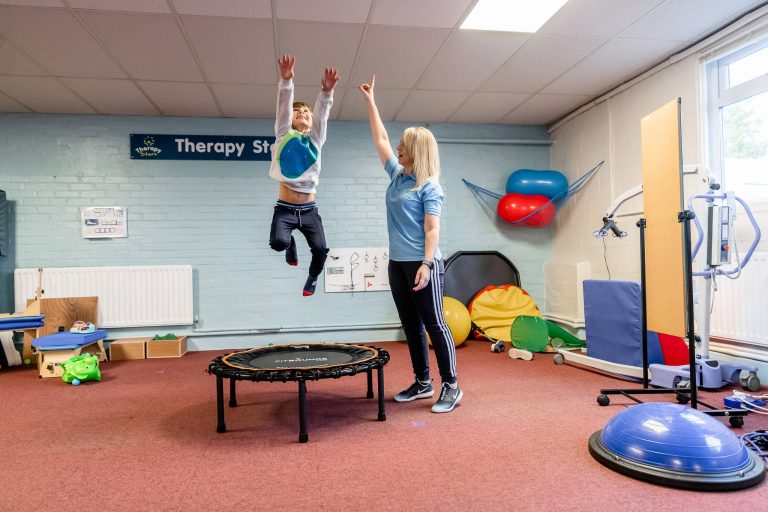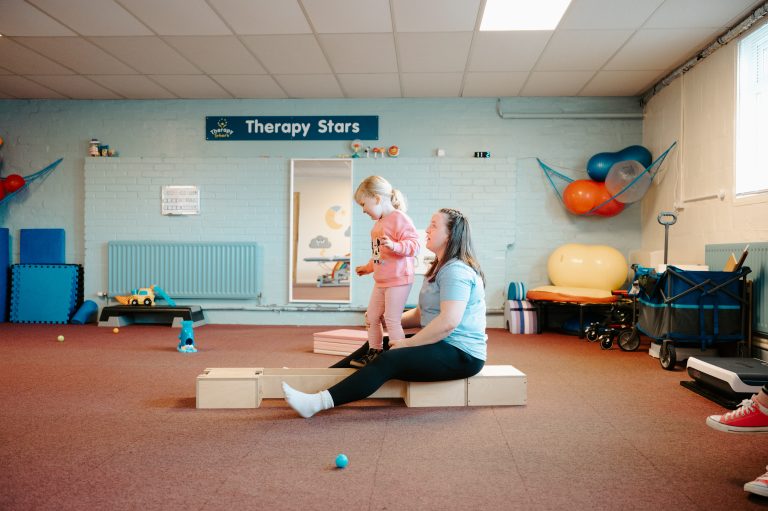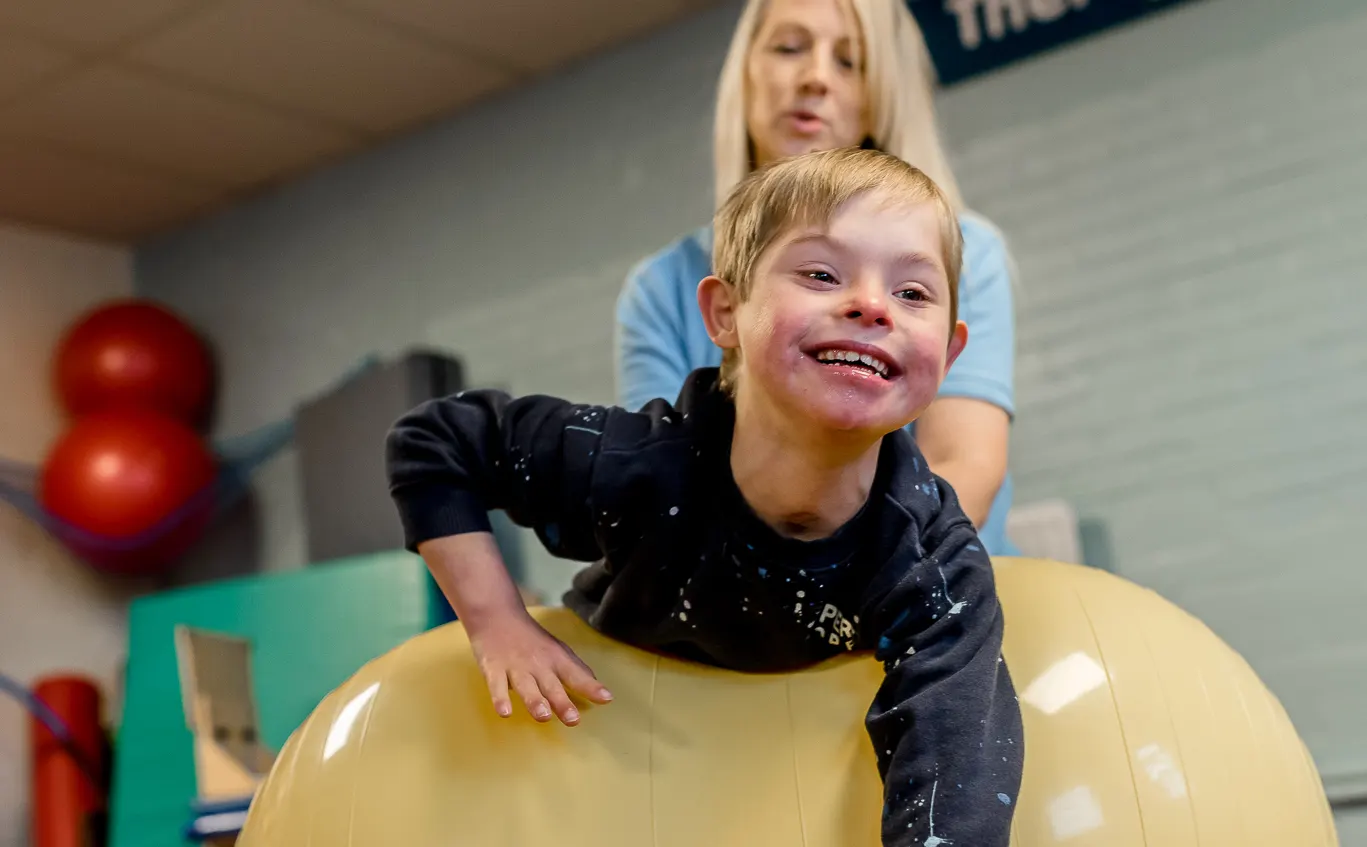
Physiotherapy can play an important role in supporting children with long-term neurological or genetic conditions.
While some therapy focuses on learning new movement skills, physiotherapy can also help children feel more comfortable, confident and able to participate in everyday activities.
Children with conditions such as cerebral palsy, neuromuscular disorders or Down syndrome may experience differences in muscle tone, coordination or endurance.
Physiotherapy aims to support movement in ways that feel achievable and sustainable.
Supporting posture and alignment
Posture influences how children move, play and interact with their environment.
Physiotherapy may help support:
- sitting posture
- standing alignment
- transitions between positions
- weight bearing through arms and legs
Improved alignment can make movement feel more efficient and less tiring.
Managing fatigue and endurance
Some children experience fatigue more quickly when completing physical activities.
Therapy can help children:
- build endurance gradually
- develop efficient movement patterns
- tolerate activity for longer periods
- feel more comfortable during daily tasks
Supporting endurance can help children participate more fully in play and learning opportunities.
Movement confidence and emotional wellbeing
Movement confidence can influence how children engage with their environment.
When movement feels difficult, children may become hesitant to explore.
Supportive physiotherapy experiences can help children feel more comfortable attempting new activities.
Confidence often develops alongside physical ability.
Adapting therapy as children grow
Children’s needs often change over time.
As children grow, physiotherapy programmes may adapt to reflect:
- changes in strength
- changes in mobility
- new functional goals
- transitions into school environments
Ongoing physiotherapy allows support to evolve as the child develops.