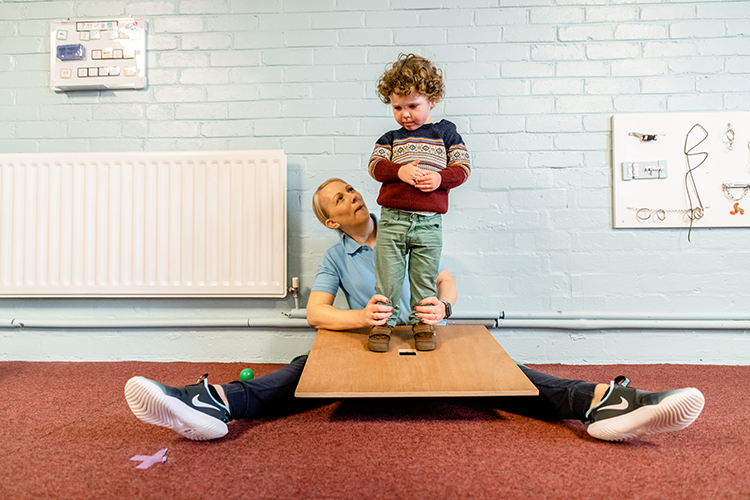
Many toddlers go through a clumsy stage, but for some children the difficulties last and affect their daily life. During Dyspraxia Awareness Week we encourage parents to look more closely at signs that their child may benefit from extra help.
Signs to watch for
- Tripping or falling more than other children of a similar age
- Avoiding activities that involve running, climbing or catching balls
- Struggling to use cutlery or fasten shoes
- Finding it tiring to walk longer distances or climb stairs
- Difficulty copying simple actions such as touching toes or jumping forward
- If several of these sound familiar it is worth asking for a movement check rather than waiting for things to improve on their own.
Why early action is important
Coordination problems can affect independence and confidence. If they are not addressed, they can make group play, PE lessons and handwriting harder later on. The good news is that the right activities can strengthen these skills and boost self-belief.
How Therapy Stars helps
Our three and six week therapy packages focus on core movement foundations through playful, age-appropriate sessions. We also offer intensive courses for families who need a concentrated burst of support. These are popular during school breaks. Parents often see better balance, stamina and willingness to join activities after a course.
If you are unsure whether your child’s clumsiness needs attention, download our free Movement and Mind Checklist and book a no-obligation call with one of our team. Acting early can make everyday activities easier and more enjoyable for your child.